How Adaptation Programs Enhance Quality of Life
As we age, maintaining an active and fulfilling life becomes increasingly important. Adaptation programs are designed to support older adults in navigating the changes that come with aging, ultimately enhancing their quality of life. This article explores how these programs work and their overall benefits.
Understanding the Basics
Adaptation programs typically involve tailored activities that promote physical, emotional, and social well-being. According to research from the National Institute on Aging, engaging in regular physical activity can significantly impact overall health, reducing the risk of chronic diseases and promoting mental health. These programs often include elements such as:

- Personalized Coaching: One-on-one coaching helps individuals set realistic goals tailored to their specific needs.
- Social Engagement: Weekly social dance gatherings facilitate connections among participants, fostering a sense of community.
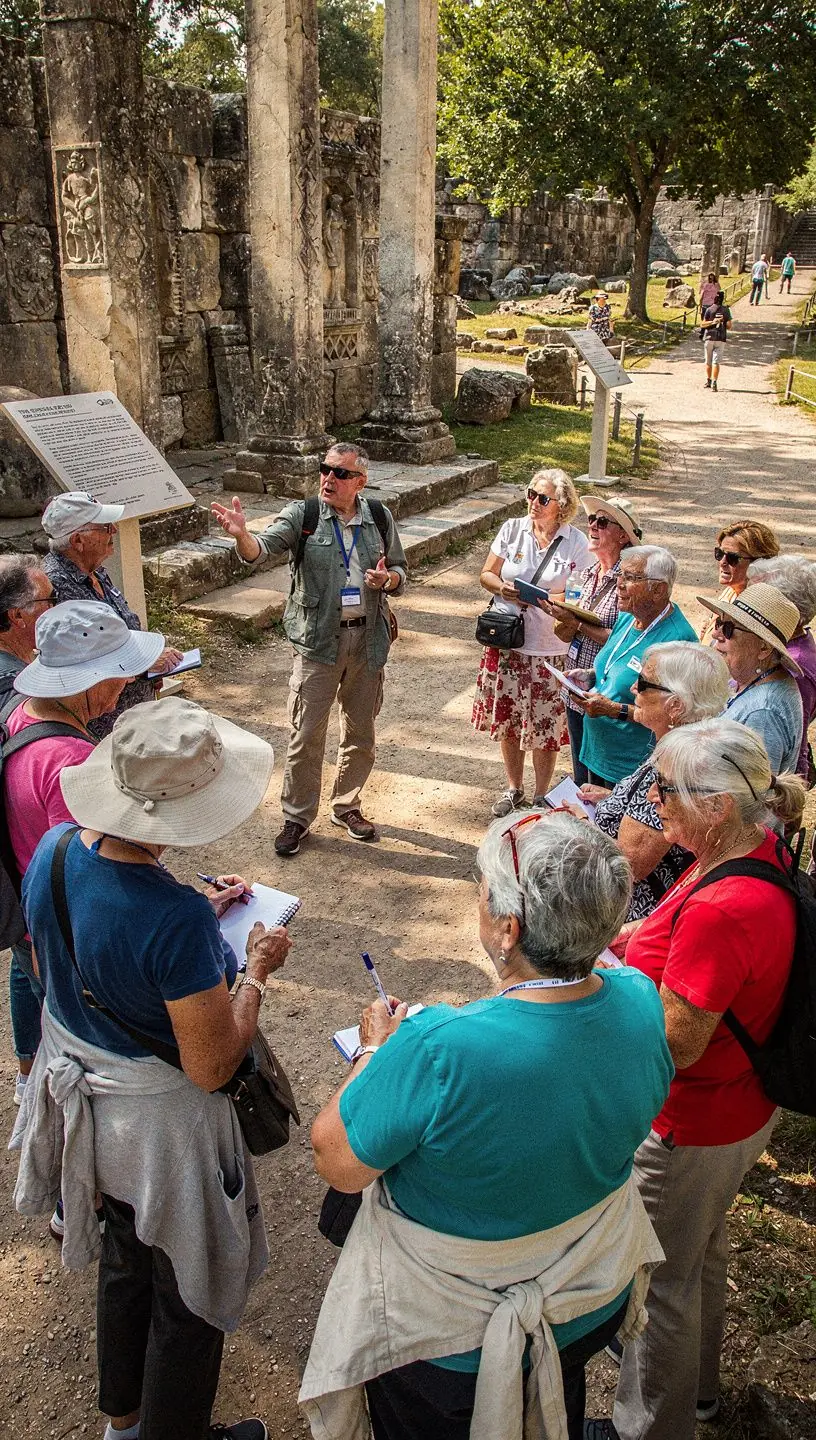
- Skill Development: Programs often teach coping strategies for managing daily challenges commonly faced by older adults.
"Regular social interactions can reduce feelings of loneliness and depression, which are prevalent among older adults." - Research from the American Psychological Association
The Benefits of Adaptation Programs
These programs are designed not only to address physical health but also emotional and social well-being. Here are some of the key benefits:
- Improved Physical Health: According to studies, participants in adaptation programs often show improved mobility and physical strength, which can decrease fall risk.
- Enhanced Mental Well-being: Many users report a decrease in anxiety and depression levels when they engage in structured activities, which support mental health.
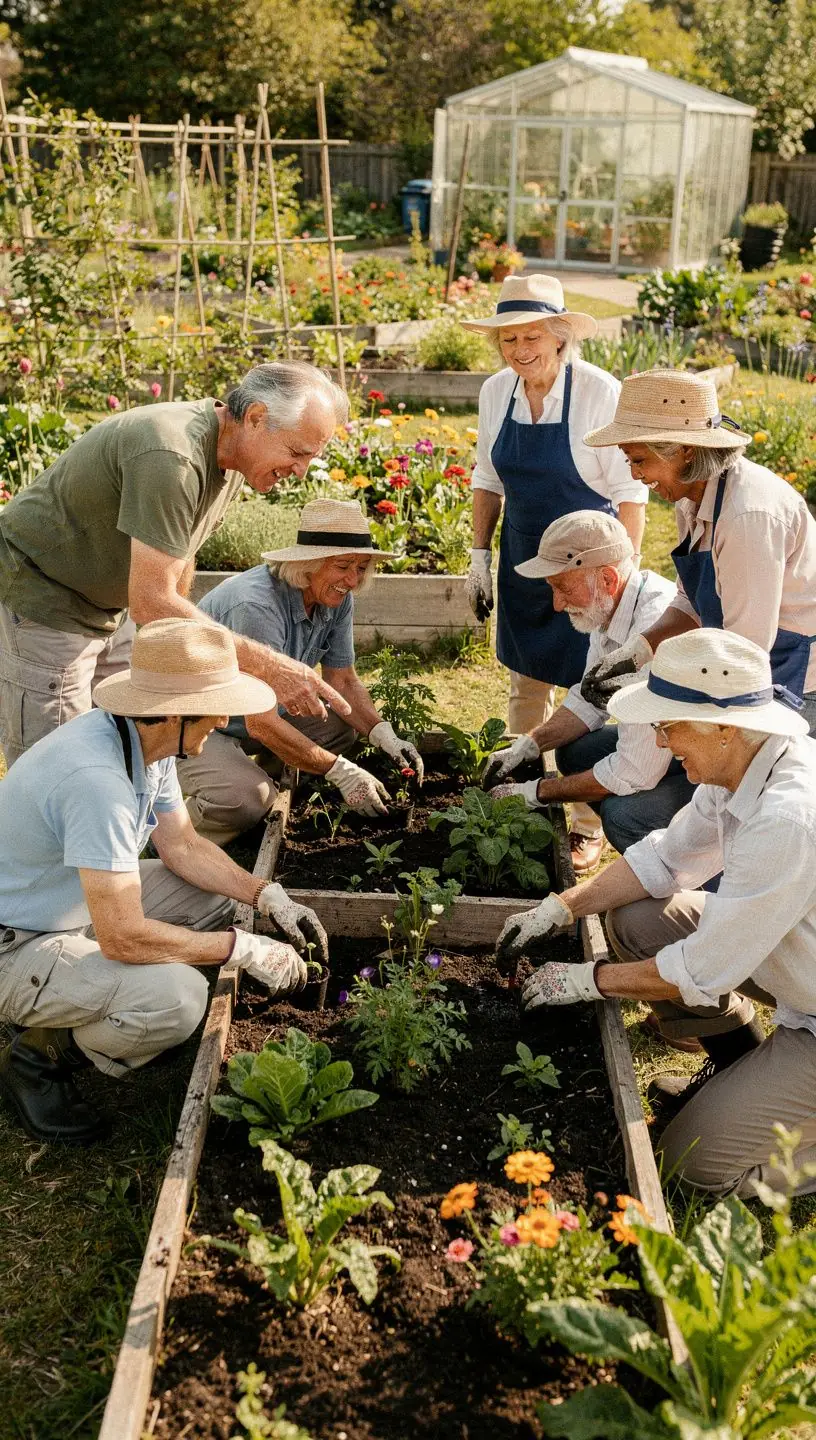
- Increased Social Connections: Engaging in group activities can lead to lasting friendships, reducing isolation and enhancing overall life satisfaction.
Practical Application
Implementing adaptation programs in your life may require some commitment and effort. Here’s what to expect:
- Time Commitment: Most programs typically require participation several times a week, with noticeable improvements often seen within 3-6 months.
- Effort and Engagement: Commitment to both physical activity and social interaction is essential. This may involve overcoming initial reluctance to participate.
- Continuous Learning: Participants may need to learn new skills and techniques, which can be challenging but rewarding.
Conclusion
Adaptation programs can play a significant role in enhancing the quality of life for older adults. While the journey may involve challenges and a commitment to personal growth, the potential benefits are profound. Engaging in these programs not only promotes physical health but also nurtures emotional and social well-being. For anyone considering these programs, it’s essential to approach them with realistic expectations and a willingness to engage actively.