The Science Behind Dance and Cognitive Health
As we navigate through the journey of aging, maintaining cognitive health becomes increasingly important. Engaging in activities that stimulate both mind and body can be beneficial, and studies indicate that dance might be an effective option. In this article, we will explore the relationship between dance and cognitive health, backed by research and expert opinions.
Understanding the Basics
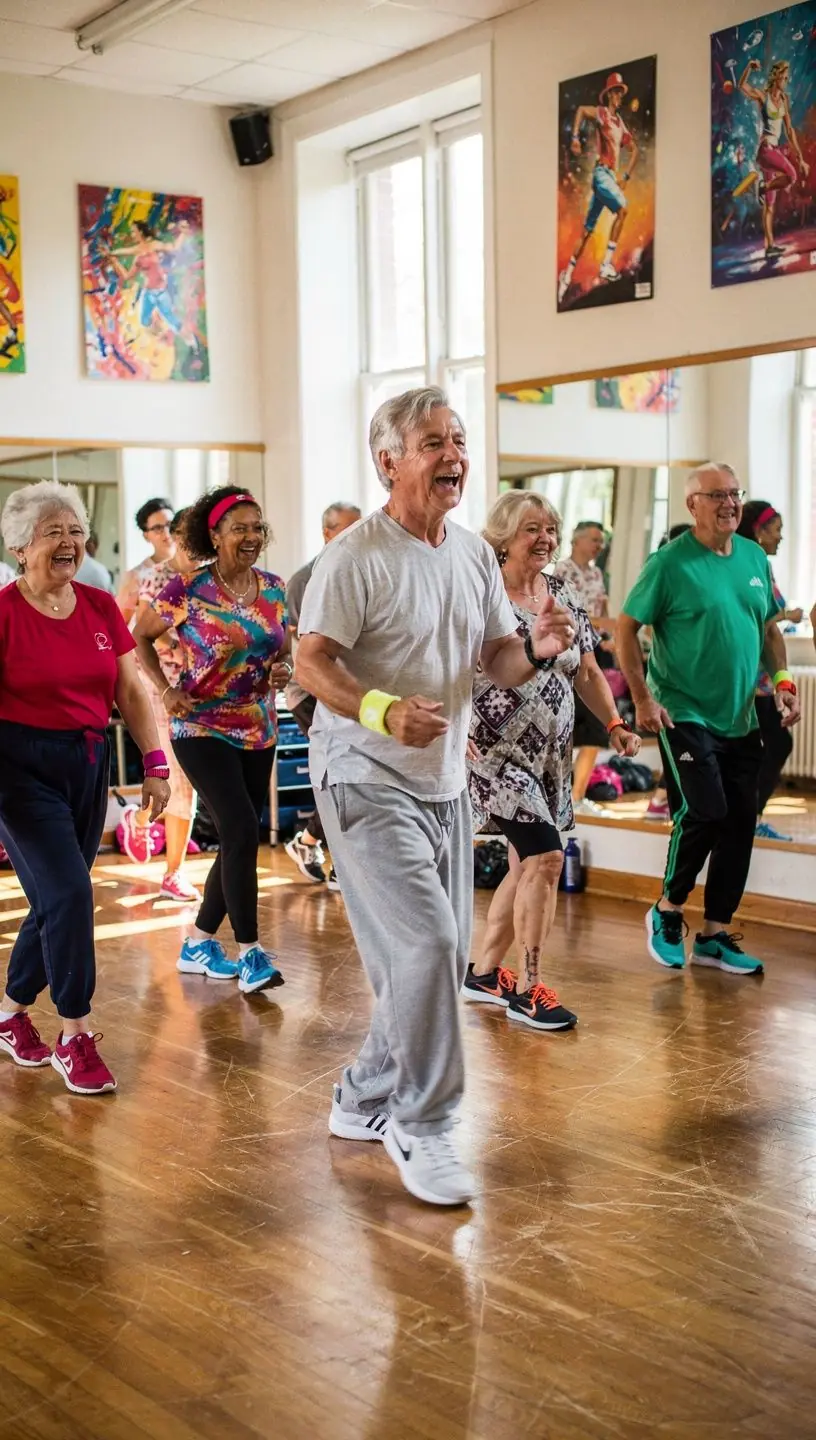
Dance is not merely a form of art; it is a complex activity that combines physical movement, rhythm, and social interaction. According to research published in the journal Frontiers in Aging Neuroscience, dancing can stimulate brain function in older adults. This is because dance requires cognitive processing of music, movement coordination, and social engagement, which, together, can enhance neuroplasticity—the brain's ability to reorganize itself by forming new neural connections.
"Dancing can stimulate brain function and enhance neuroplasticity in older adults." - Research from Frontiers in Aging Neuroscience
The Cognitive Benefits of Dance
Numerous studies have shown that engaging in dance can lead to several cognitive benefits, including:
- Improved Memory: Regular dance practice may help strengthen memory capabilities, as it often involves remembering steps and sequences.
- Enhanced Problem-Solving Skills: The need to adapt to different dance styles and partners can improve cognitive flexibility.
- Better Coordination: Dance requires coordination of movement, which can enhance motor skills and spatial awareness.
How Dance Contributes to Mental Well-Being
Beyond cognitive improvements, dance can also boost mental health. Many experts recommend social dance as a means to combat feelings of loneliness and isolation, which are common among older adults. According to the American Journal of Public Health, participating in social activities like dance can significantly reduce the risk of depression and anxiety.
Social Dynamics and Emotional Engagement
Social dance gatherings provide opportunities for emotional engagement, which is essential for mental health. The shared experience of dancing often fosters connections and a sense of community, which can be very supportive during the aging process. Experts suggest that frequent social interactions can contribute to better cognitive functioning, as they stimulate mental processes and emotional support networks.
"Engaging in social dance can significantly reduce the risk of depression and anxiety." - American Journal of Public Health
Practical Steps for Incorporating Dance into Life
If you’re considering incorporating dance into your routine, here are some practical steps:
- Choose the Right Style: Many find it beneficial to start with a dance style that resonates with them, whether it’s ballroom, salsa, or line dancing.
- Commit to Regular Practice: Typically, it’s recommended to engage in dance at least once a week. This consistency allows for gradual improvement and sustained cognitive benefits.
- Join a Community Group: Participating in a dance class or community gathering can provide both social interaction and structured learning, enhancing engagement.
Conclusion
In summary, engaging in dance offers a promising approach to enhancing cognitive health and overall well-being as we age. While individual results may vary, many users report positive effects after incorporating dance into their routines. As with any new activity, it’s important to approach dance with realistic expectations and a willingness to learn. By fostering both physical and social engagement through dance, you may find an enjoyable way to support your cognitive health.
Learn More