The Benefits of Group Activities for Mental Well-Being
Group activities have long been recognized for their potential to enhance mental well-being, especially among older adults. Engaging in social interactions can foster a sense of community and support, which is vital for mental health. This article explores the various benefits of participating in group activities and how they can contribute to active aging.
Understanding the Impact of Social Interaction
Research indicates that social engagement plays a crucial role in maintaining mental health as we age. According to a study published in the Journal of Aging and Health, older adults who regularly participate in group activities report lower levels of depression and anxiety. This is largely because social interactions stimulate the brain, creating a sense of belonging and purpose.
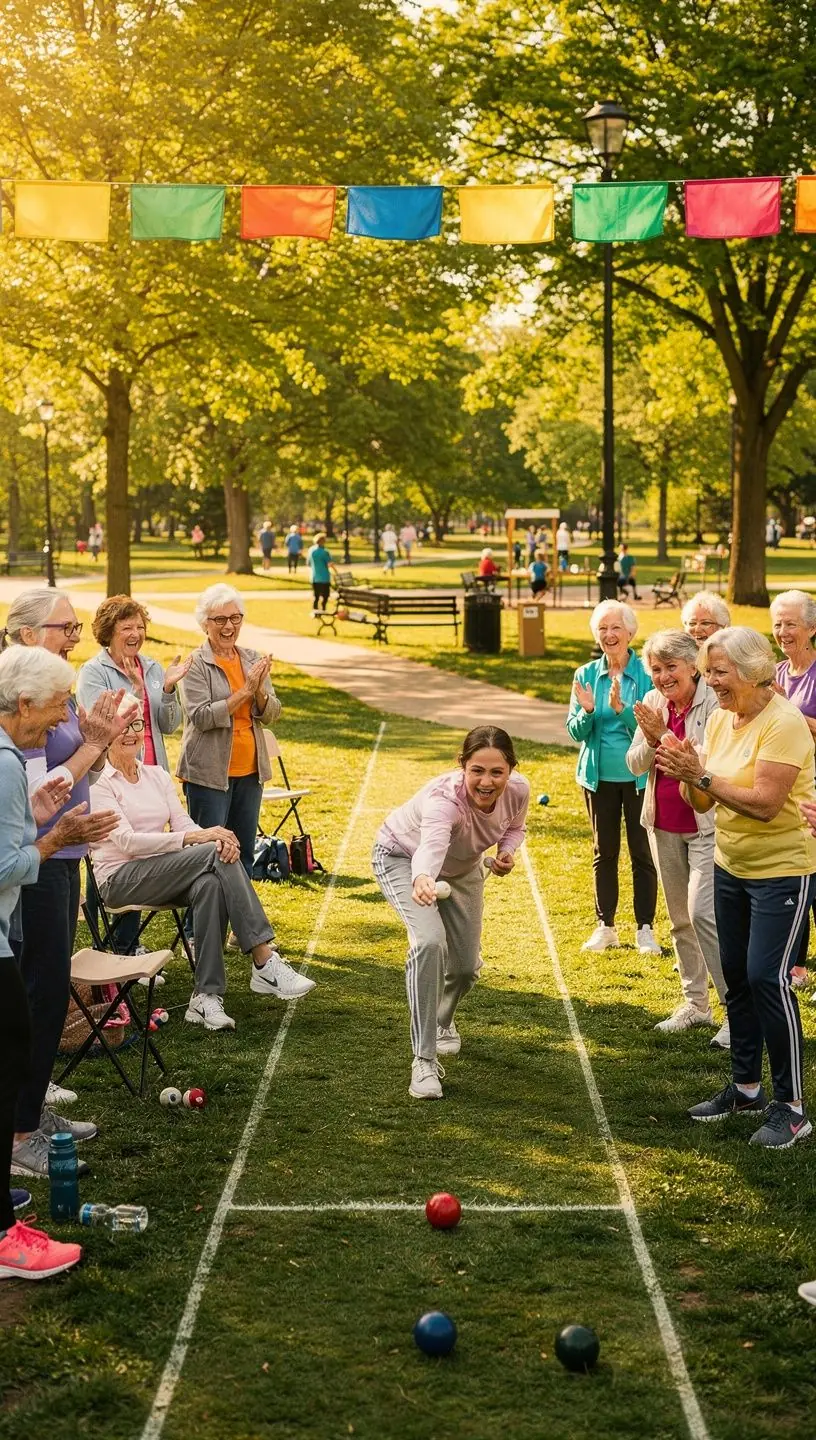
"Social engagement is associated with a lower risk of cognitive decline and increased longevity," emphasizes Dr. Karen Johnson, an expert in gerontology.
Benefits of Group Activities
Engaging in group activities can provide numerous benefits, including:
- Enhanced Emotional Support: Participating in a group allows individuals to share experiences and feelings, which can lead to emotional healing and support.
- Increased Motivation: Group settings often foster a sense of accountability. When individuals see others exercising or participating in activities, they are more likely to join in and stay committed to their goals.
- Improved Cognitive Function: Engaging in discussions and activities with peers can stimulate mental processes, enhancing cognitive skills and memory retention.
Practical Application of Group Activities
To integrate group activities into your routine, consider the following steps:
- Identify Interests: Determine what activities you enjoy or would like to try. This could include dance classes, book clubs, or fitness groups.
- Find Local Opportunities: Look for community centers or local studios, such as active aging coaching studios, that offer tailored programs and weekly gatherings.
- Commit to Consistency: Engaging in group activities regularly—ideally once or twice a week—helps reinforce the benefits over time.
Challenges and Considerations
While group activities are beneficial, they may not be suitable for everyone. Some individuals might feel anxious in group settings, or they may have mobility limitations. It's important to start at a comfortable pace and gradually increase participation. Additionally, results from social engagement may take time to manifest; many users report noticeable improvements in mental well-being after several weeks of consistent involvement.
Conclusion
Participating in group activities offers a reliable approach to enhancing mental well-being, particularly for older adults. By fostering connections and providing emotional support, these activities can contribute to a more fulfilling and engaged life. Remember, the journey to improved mental health through social engagement requires time and commitment, but the positive effects can be profound and long-lasting.