Developing a Personalized Adaptation Program for Active Aging
As we age, adapting our lifestyle becomes crucial for maintaining health, well-being, and social engagement. Developing a personalized adaptation program can be an effective way to support active aging. In this article, we will explore the steps necessary to create an individualized program tailored to your specific needs and preferences.
Understanding the Importance of Personalization
According to research in gerontology, personalized programs that take into account an individual's physical, emotional, and social needs often yield better outcomes than generic solutions. This is particularly significant for seniors, as many experience varied levels of mobility, health conditions, and social engagement needs.
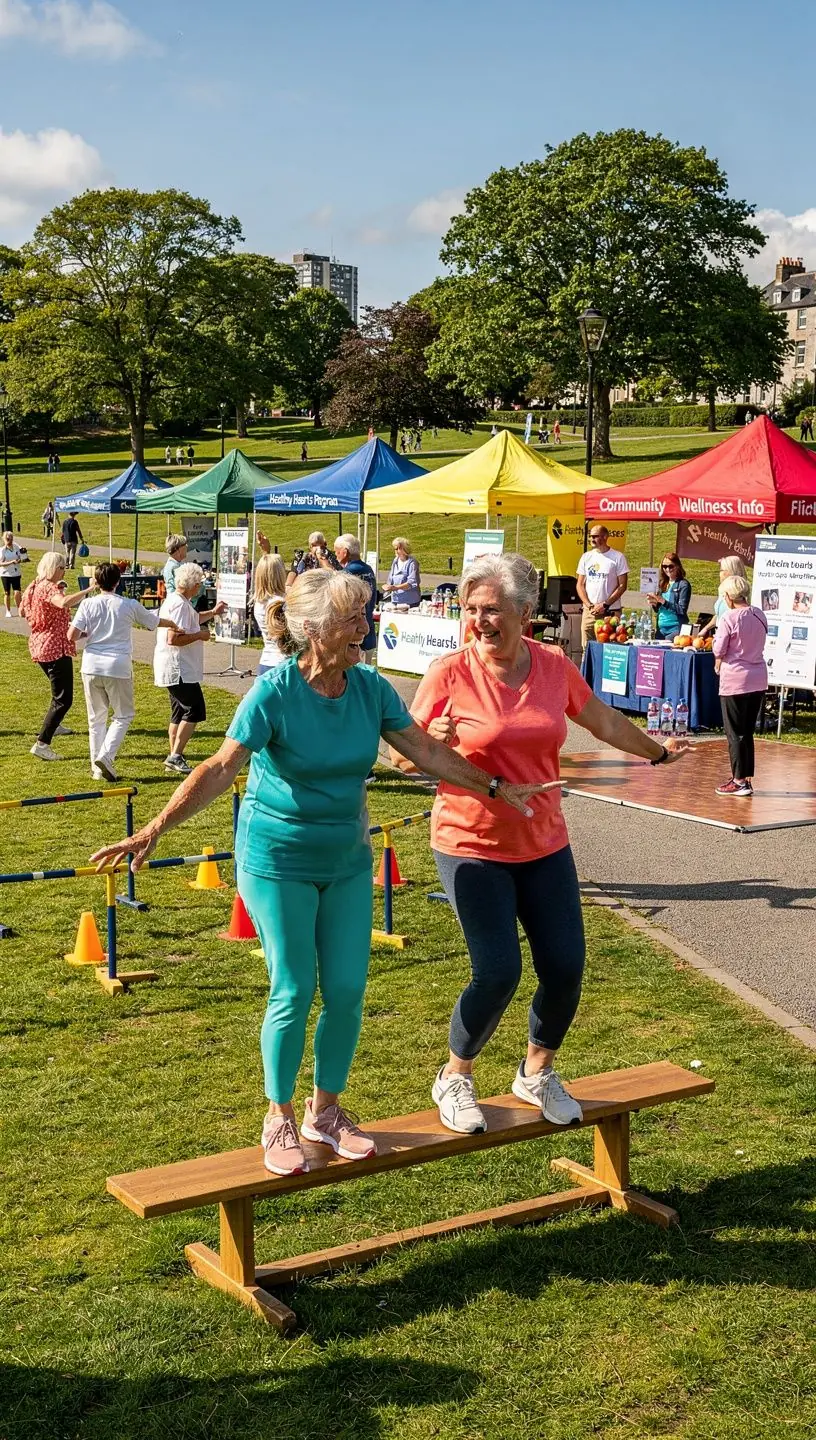
"Personalized approaches in adaptation programs have been shown to improve engagement and overall quality of life for older adults." - Industry experts suggest.
Steps to Develop a Personalized Adaptation Program
- Assess Individual Needs: The first step is to evaluate your current health status, mobility, and social preferences. This typically involves a consultation with a healthcare professional or a coach specializing in active aging.
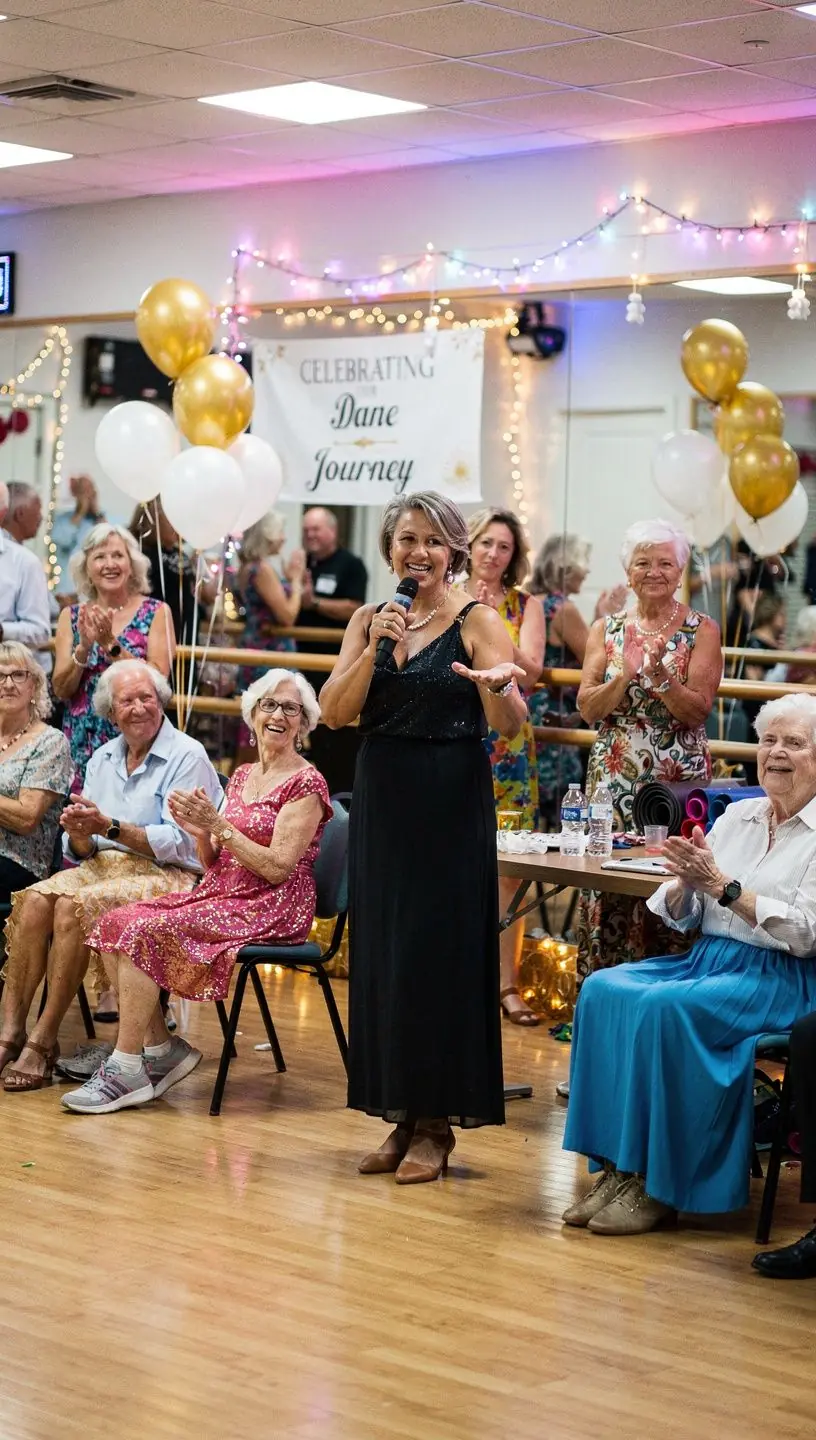
- Set Realistic Goals: Based on your assessment, set achievable goals. Research indicates that setting specific, measurable goals can significantly enhance motivation and commitment. For instance, aiming to increase social engagement by attending weekly dance gatherings can be beneficial.
- Choose Appropriate Activities: Select activities that align with your interests and abilities. For many, engaging in social dance not only promotes physical fitness but also enhances social interaction and cognitive function.
- Implement Gradually: It's essential to introduce changes gradually. Studies show that making incremental adjustments in lifestyle is often more sustainable. Start with a couple of sessions a week and increase frequency as comfort grows.
- Monitor Progress and Adjust: Regularly evaluate your progress. This could mean tracking physical improvements or social interactions. If something isn’t working, don’t hesitate to modify your program.
Key Considerations for Success
- Time Commitment: Developing a personalized adaptation program typically takes around 2-4 weeks to establish a routine and see initial results.
- Effort Required: This process involves a learning curve, particularly if you're engaging in new activities like dance. Dedication and patience are crucial for success.
- Social Engagement: Programs that emphasize social activities, such as dance gatherings, work best when participants are motivated to connect with others and share experiences.
Conclusion
Creating a personalized adaptation program for active aging can significantly enhance your quality of life. By understanding your unique needs, setting realistic goals, and committing to gradual changes, you can foster a healthier and more engaged lifestyle. Remember, while results may vary, many users report increased satisfaction and engagement when actively participating in programs tailored to their preferences.