Exploring the Benefits of Social Dance for Seniors
Social dance has emerged as a valuable activity for seniors, promoting not only physical health but also social engagement and emotional well-being. In this article, we will delve into the various benefits of social dance, supported by evidence and expert recommendations.
Understanding the Basics of Social Dance
Social dance refers to a variety of dance styles that involve participation in a social setting, often in a group. According to research, engaging in social dance can enhance physical fitness, improve cognitive function, and foster social connections among older adults. This is vital, as many seniors face challenges related to isolation and decreased mobility.

"Studies show that regular engagement in social activities, including dance, can significantly improve the quality of life for older adults." - National Institute on Aging
Physical Health Benefits
Participating in social dance can contribute positively to physical health in several ways:
- Improved Cardiovascular Health: Regular dance sessions can enhance heart health by increasing physical activity levels, which is often recommended by health experts.
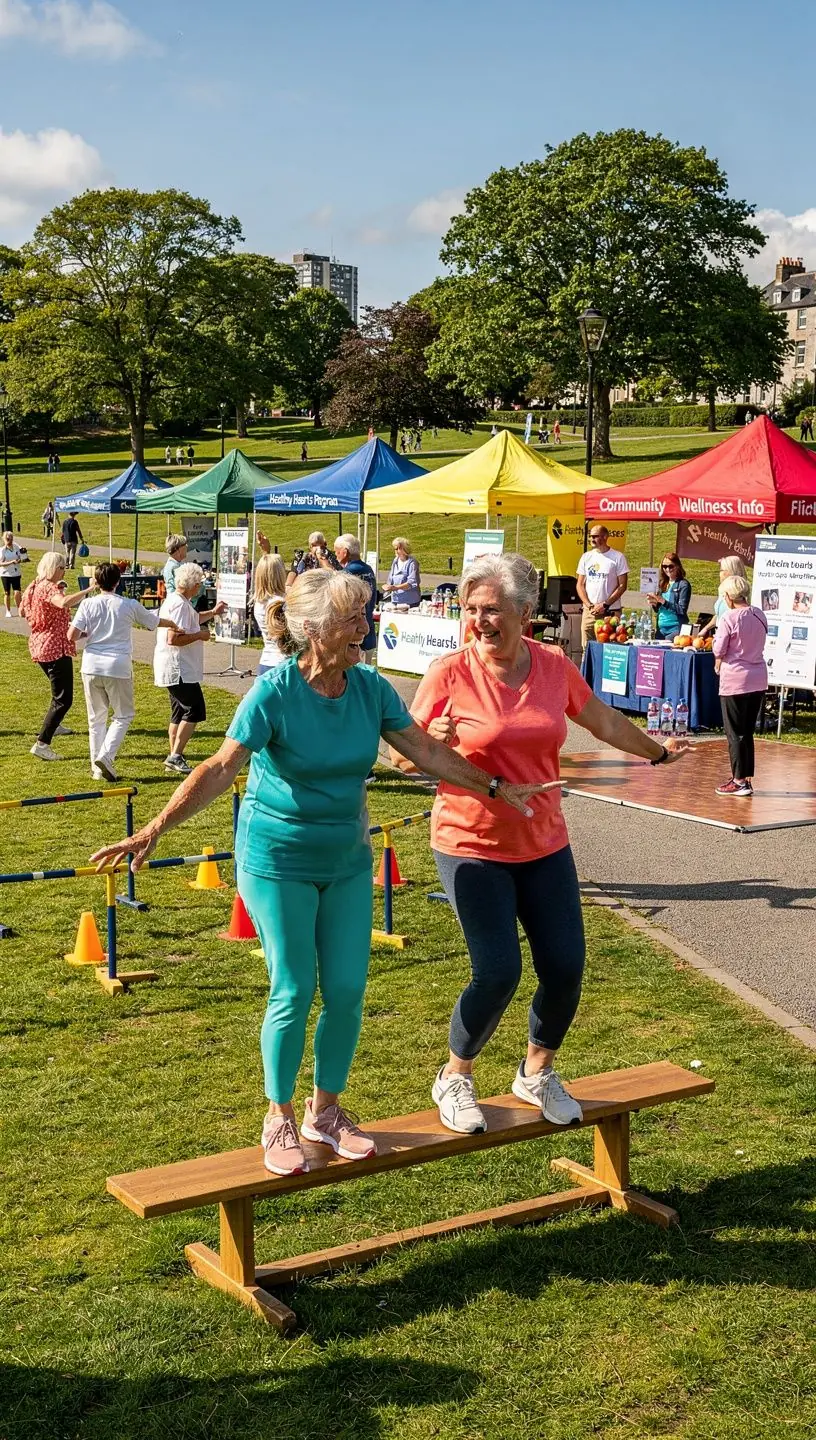
- Enhanced Balance and Coordination: Many dance styles engage various muscle groups, helping to improve balance and reduce the risk of falls, a common concern for seniors.
- Increased Flexibility and Strength: Dancing typically encourages movement, which can enhance flexibility and strengthen muscles over time.
Cognitive and Emotional Advantages
Beyond physical benefits, social dance can also have a profound impact on mental health:
- Boosted Cognitive Function: Research indicates that learning dance steps and routines can stimulate brain activity, potentially improving memory and cognitive function.
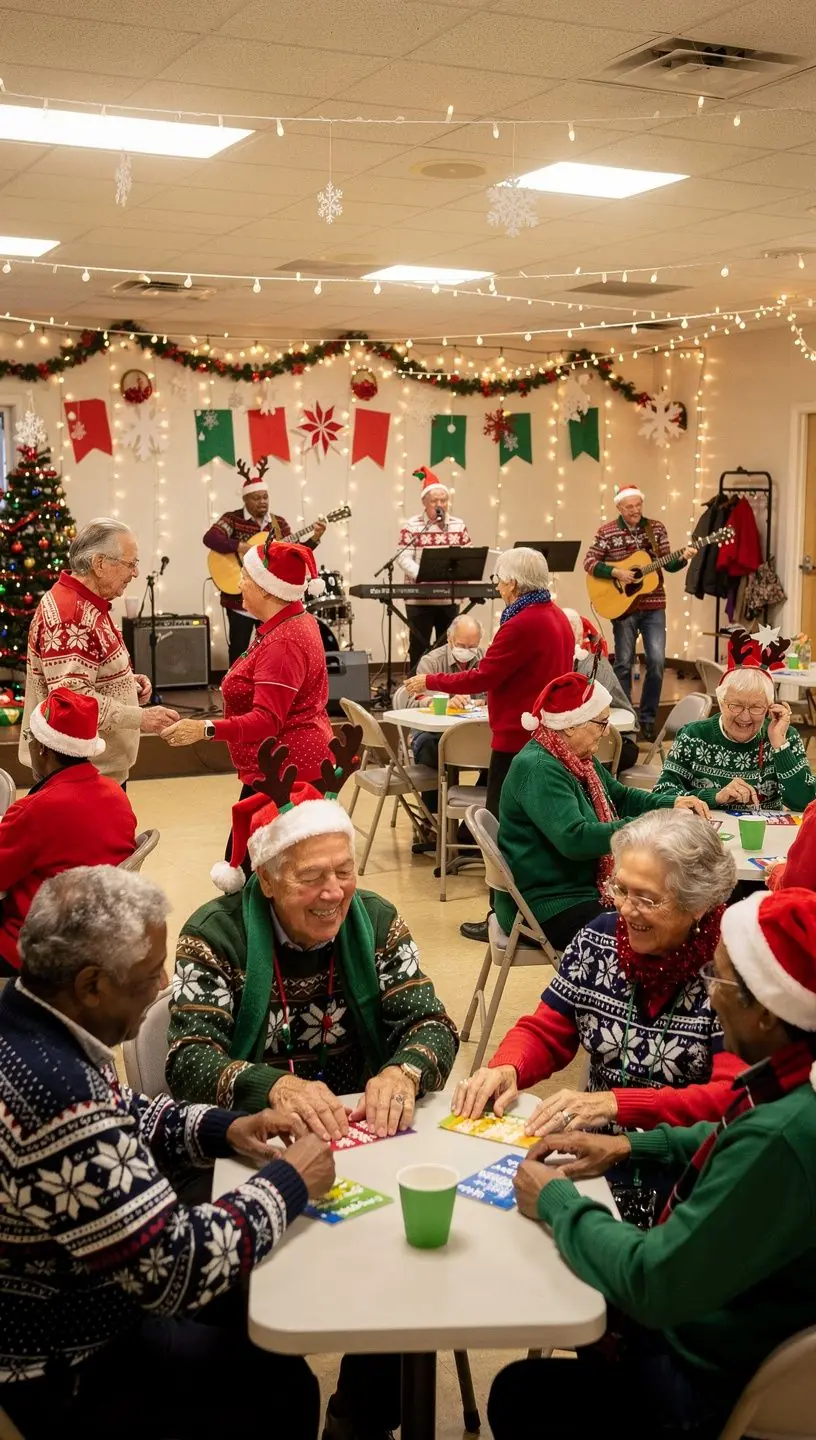
- Emotional Well-being: Social interaction during dance can help alleviate feelings of loneliness and depression, which are unfortunately common among older adults.
- Enhanced Mood: Studies show that physical activity, including dancing, can lead to the release of endorphins, promoting a positive mood and overall happiness.
Social Connections Through Dance
A pivotal aspect of social dancing is the opportunity it provides for building community and friendships. Many participants report feeling a sense of belonging and connection with others, which is crucial for emotional support and engagement. Experts recommend participating in group dance classes or gatherings as a way to cultivate these connections.
"Engaging in social activities, like dance, provides not only physical benefits but also enhances emotional and social well-being." - Experts in Gerontology
Getting Started with Social Dance
If you're considering joining a social dance class, here are some tips to keep in mind:
- Start with an Introductory Class: Many studios offer beginner classes that are suitable for all skill levels, making it easier to ease into a new activity.
- Commit to Regular Participation: To fully experience the benefits, it typically takes regular attendance over a series of weeks or months.
- Be Open to New Experiences: Approach social dance with a willingness to learn and connect with others, which can enhance the overall experience.
Conclusion
Social dance offers numerous benefits for seniors, from improved physical health and cognitive function to enhanced emotional well-being and social connections. While it requires commitment and engagement, many participants find the experience rewarding. By choosing to engage in social dance, seniors can foster a healthier, more connected lifestyle that can significantly enhance their quality of life.
Learn More