Understanding the Role of Physical Activity in Aging
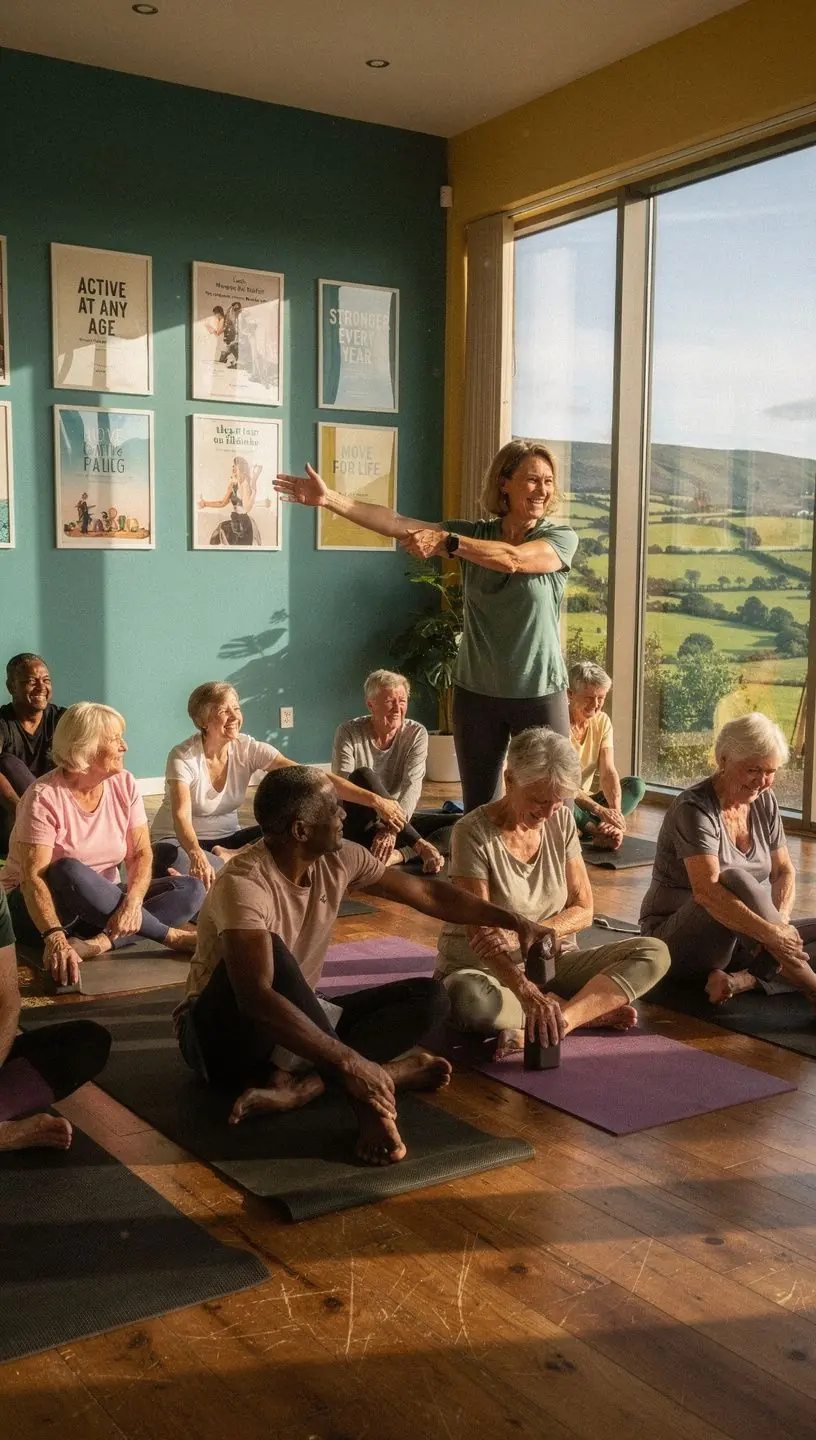
As we age, maintaining our physical health becomes increasingly important. Engaging in regular physical activity can significantly affect overall well-being, allowing for a more active and fulfilling lifestyle in later years.
The Importance of Physical Activity in Aging
Physical activity is often recommended by health professionals as a key component of healthy aging. According to research conducted by the World Health Organization (WHO), regular exercise can reduce the risk of chronic diseases, improve mental health, and enhance quality of life for older adults.
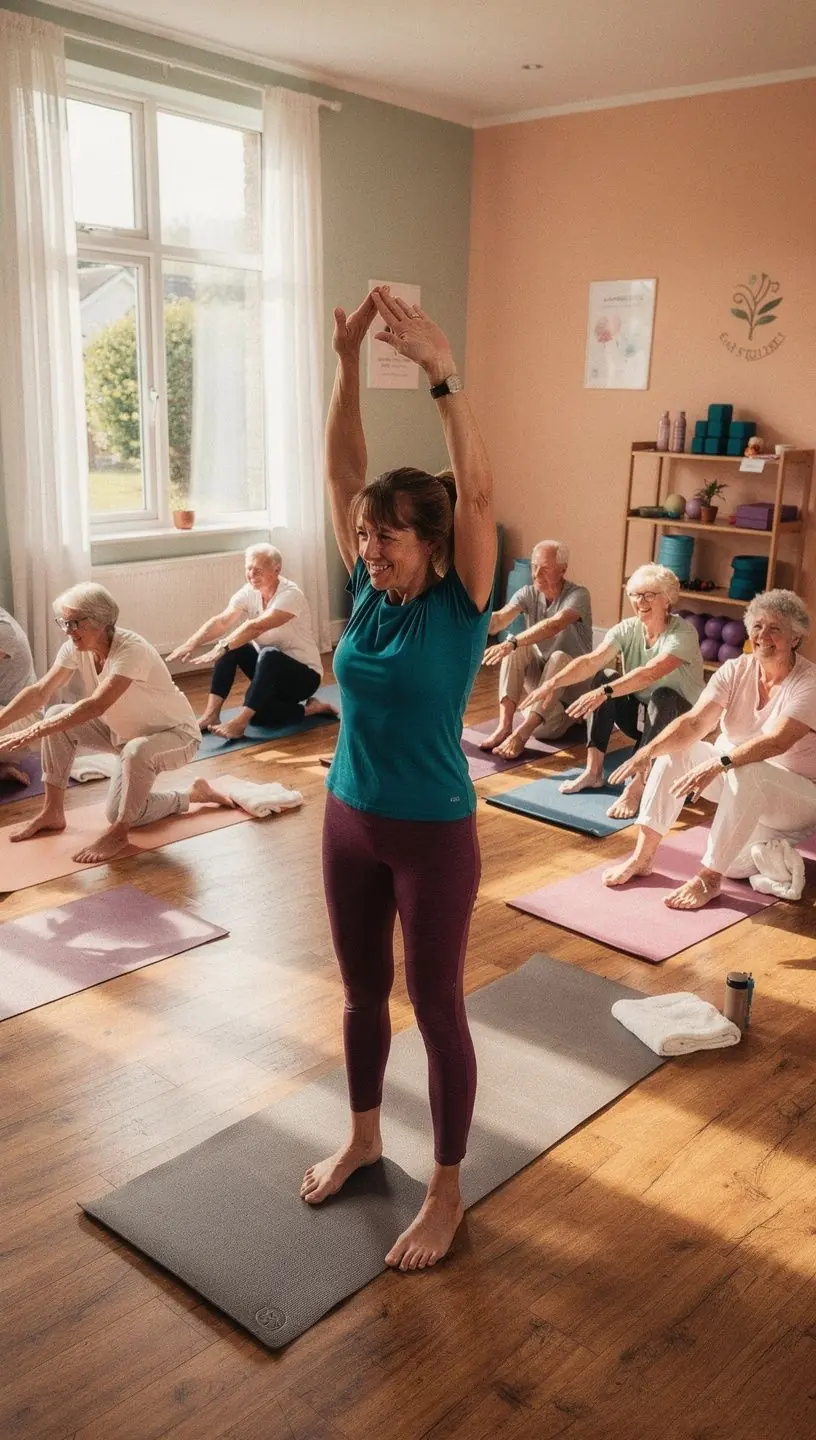
"Regular physical activity can reduce the risk of cognitive decline and improve mobility among older adults." – WHO Guidelines
How Physical Activity Affects the Body
Physical activity typically benefits the body in numerous ways:
- Cardiovascular Health: Regular exercise strengthens the heart and improves circulation, which can lower blood pressure and reduce the risk of heart disease.
- Muscle Strength: Engaging in resistance training can help counteract the natural loss of muscle mass associated with aging, improving strength and balance.
- Mental Well-being: Studies show that physical activity can enhance mood and cognitive function, potentially reducing symptoms of depression and anxiety.
Types of Recommended Activities
Experts recommend a combination of aerobic, strength training, and flexibility exercises. Here’s a closer look:
- Aerobic Exercises: Activities like walking, swimming, or cycling can improve cardiovascular fitness. Aim for at least 150 minutes of moderate-intensity aerobic activity per week.
- Strength Training: Engaging in resistance exercises at least twice a week can help maintain muscle mass and bone density.
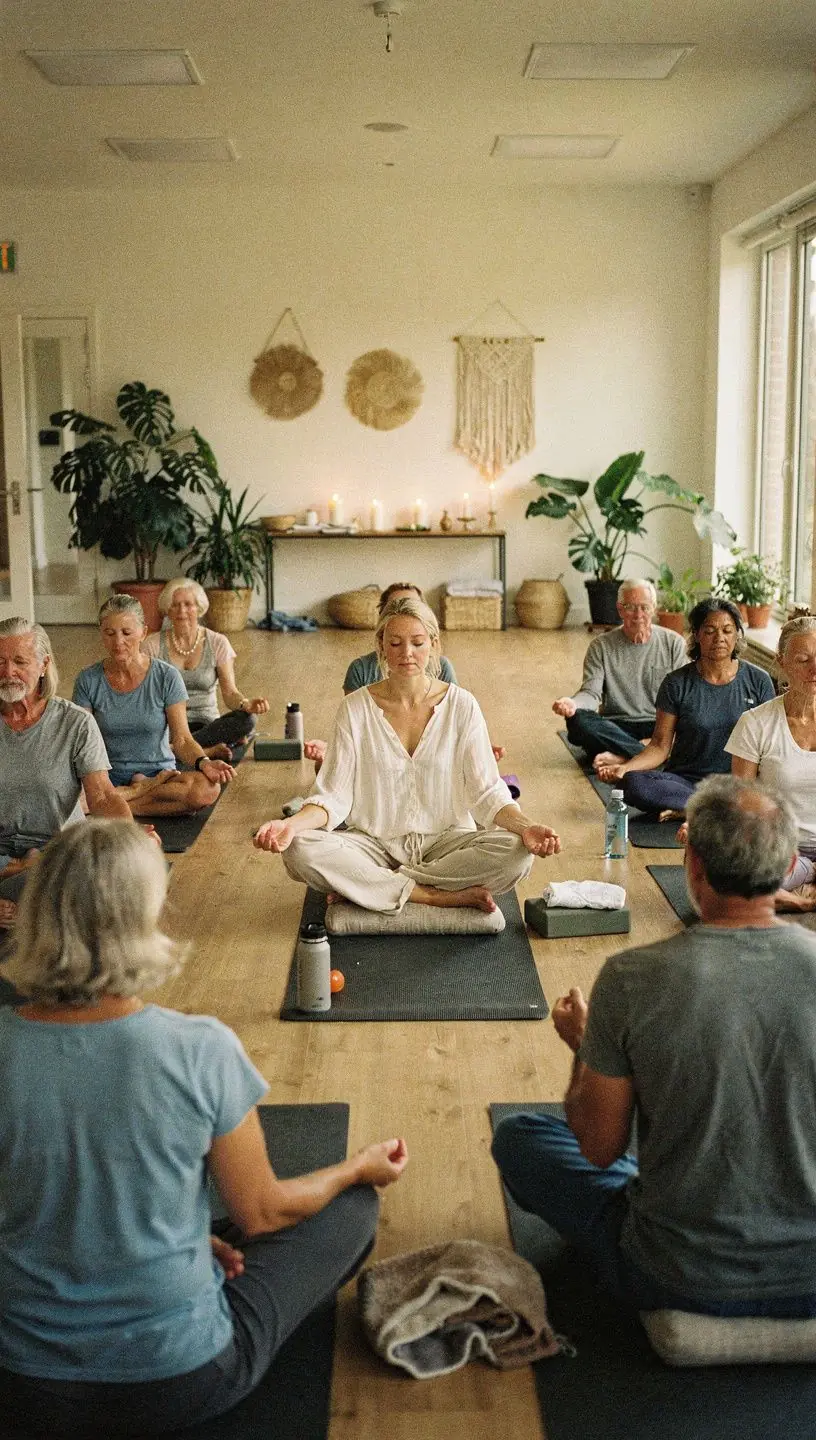
- Flexibility and Balance: Activities such as yoga or tai chi not only enhance flexibility but also improve balance, reducing the risk of falls.
Setting Realistic Expectations
It's essential to approach physical activity with realistic expectations. Many users report that it takes time to establish a routine. Typically, results may appear within 3-6 months of consistent exercise, but this can vary depending on individual circumstances and dedication.
Additionally, consider the following:
- Start slowly to avoid injury; gradually increase the intensity and duration of workouts.
- Find activities you enjoy to make it easier to stay motivated.
- Consult with healthcare professionals before starting a new exercise program, especially if you have existing health conditions.
Conclusion
In conclusion, incorporating physical activity into your routine can play a vital role in promoting healthy aging. While the benefits may take time to manifest, the potential improvements in physical health, mental well-being, and overall quality of life are significant. By understanding how and why exercise impacts aging, individuals can make informed choices to enhance their vitality as they age.
Learn More