Supporting Emotional Health Through Movement
In today's fast-paced world, maintaining emotional health is crucial, especially as we age. Engaging in regular physical activity not only promotes physical well-being but also significantly supports emotional health. This article explores how movement can foster emotional resilience and well-being among older adults.
Understanding the Connection Between Movement and Emotional Health
Research indicates that physical activity plays a vital role in enhancing emotional health. According to the World Health Organization, regular physical activity can reduce feelings of anxiety and depression, while improving mood and cognitive function. It works because movement stimulates the release of endorphins, often referred to as "feel-good" hormones, which can lead to improved emotional states.

"Physical activity is a powerful tool that can help manage anxiety and depression, especially for older adults." - Dr. Sarah Thompson, Clinical Psychologist
How Movement Supports Emotional Well-Being
There are several ways in which engaging in movement can enhance emotional health:
- Improved Mood: Many studies show that regular physical activity can lead to a noticeable improvement in mood, reducing symptoms of depression and anxiety.
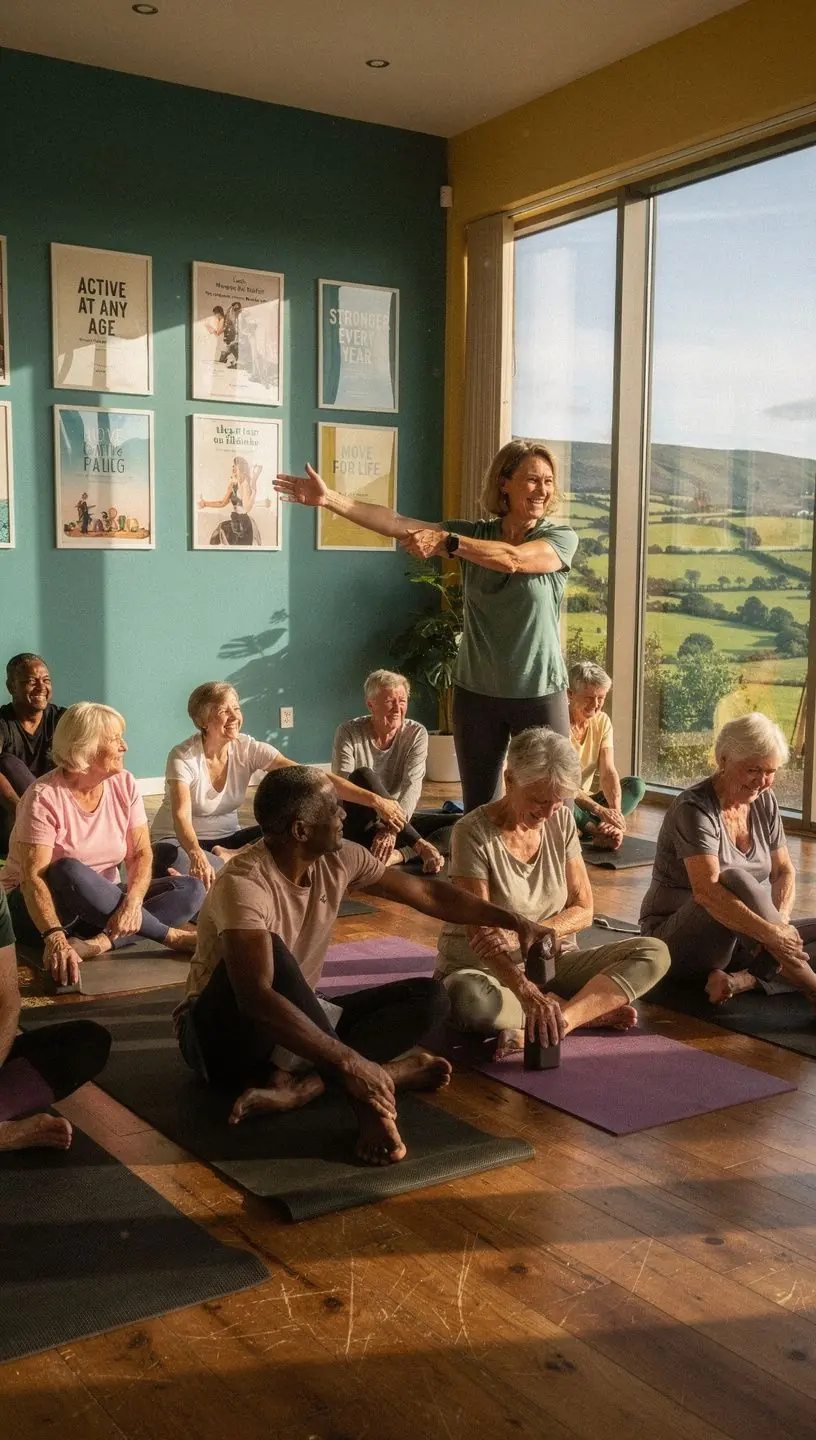
- Social Interaction: Group activities like dance classes provide opportunities for socialization, which is essential for emotional health. Many users report feeling more connected and less isolated when participating in community activities.
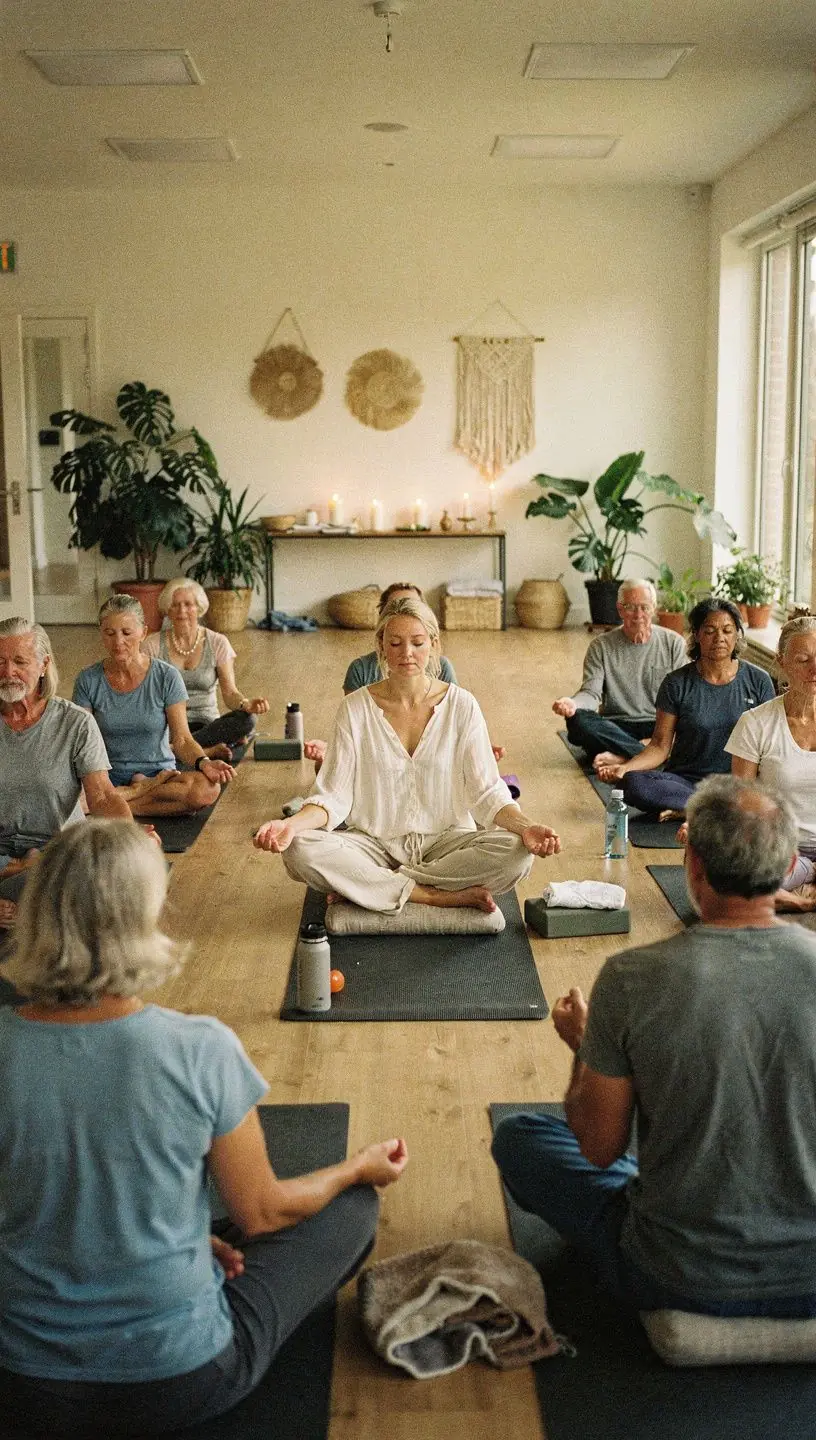
- Mindfulness Through Movement: Practices such as yoga and tai chi emphasize mindfulness, which can help individuals manage stress and improve emotional regulation.
Practical Steps for Incorporating Movement into Daily Life
For older adults looking to enhance their emotional health through movement, here are some practical steps:
- Start Small: If you are new to exercise, begin with short sessions of 10-15 minutes a day, gradually increasing the duration as your fitness improves.
- Choose Enjoyable Activities: Engage in forms of movement that you enjoy, whether it’s dancing, walking, or gardening. Enjoyment is key to long-term adherence.
- Join a Group or Class: Participating in structured classes, such as social dance gatherings, not only helps with physical fitness but also fosters social connections that are crucial for emotional health.
Setting Realistic Expectations
While incorporating movement into your daily routine can yield significant benefits, it's important to set realistic expectations. Typically, individuals may start to notice improvements in their emotional well-being within a few weeks of consistent activity. However, achieving lasting emotional health requires dedication and a commitment to regular movement.
Conclusion
Supporting emotional health through movement is a practical and effective strategy for older adults. By understanding the benefits of physical activity and incorporating enjoyable movement into daily life, individuals can enhance their emotional resilience and overall well-being. Remember, it is essential to consult with healthcare professionals before starting any new exercise program, particularly if you have pre-existing health conditions.